
The term brain fog is not an official medical term, but we all know what it means, and we have all experienced it. Serious and creative thinking is hard enough to do at the best of times, but when brain fog descends, it is even more difficult. Unfortunately brain foggery seems to happen more often as we get older which is even more frustrating…
Continue reading “Mental clarity vs brain fog”Tag: DIY red light hat
You can make your own light hat, or have someone make it for you. The information is available on the blog. If you are uncertain, fill in the “contact” form and ask.
LED strip stickiness – a fix
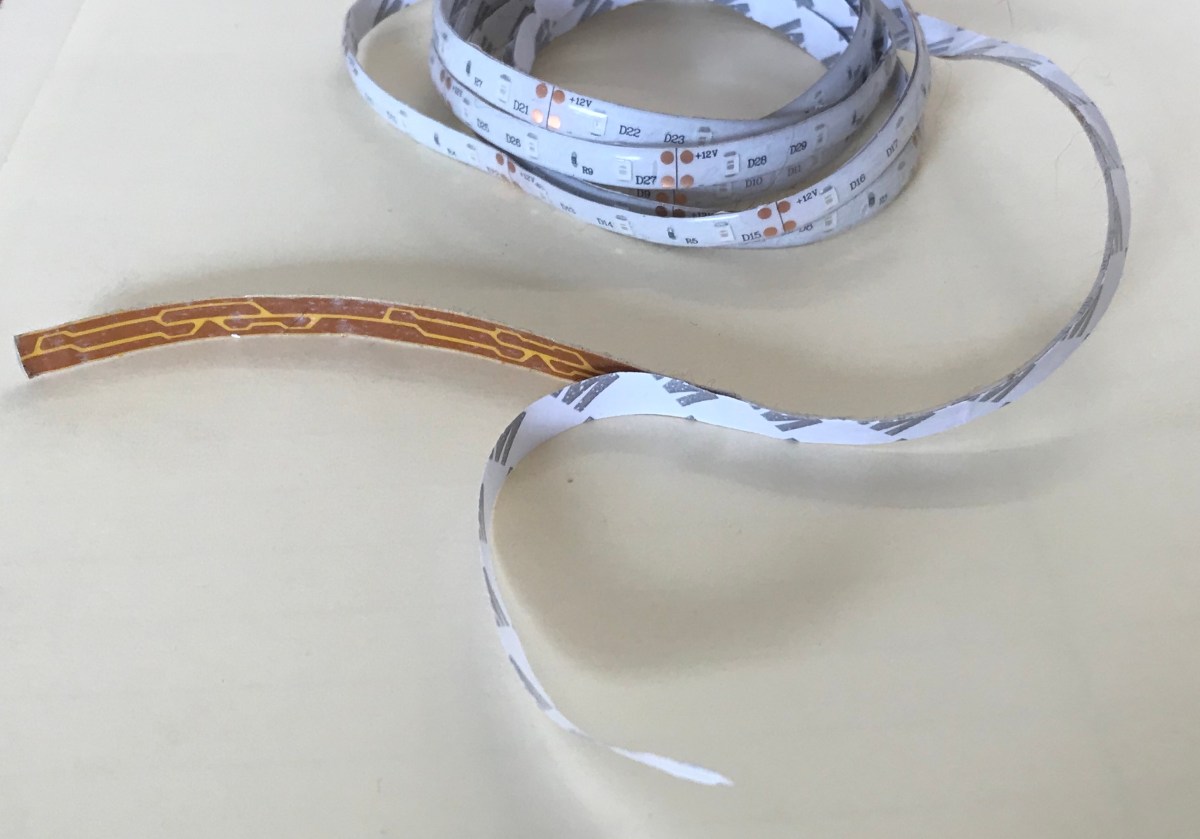
This post comes from Michael Richards, the designer of the Cossack light hat which you can make at home using 12V DC LED strips.
As those of you who have made your own transcranial light device know only too well, the back of 12V DC LED strips comes with glue on the back, covered by a white peel-off tape.
Continue reading “LED strip stickiness – a fix”LED strips
LED strips are great for DIY projects, such as Cossack light hats, lights for helping arthritic fingers, a LED light wrap for back pain and so on.
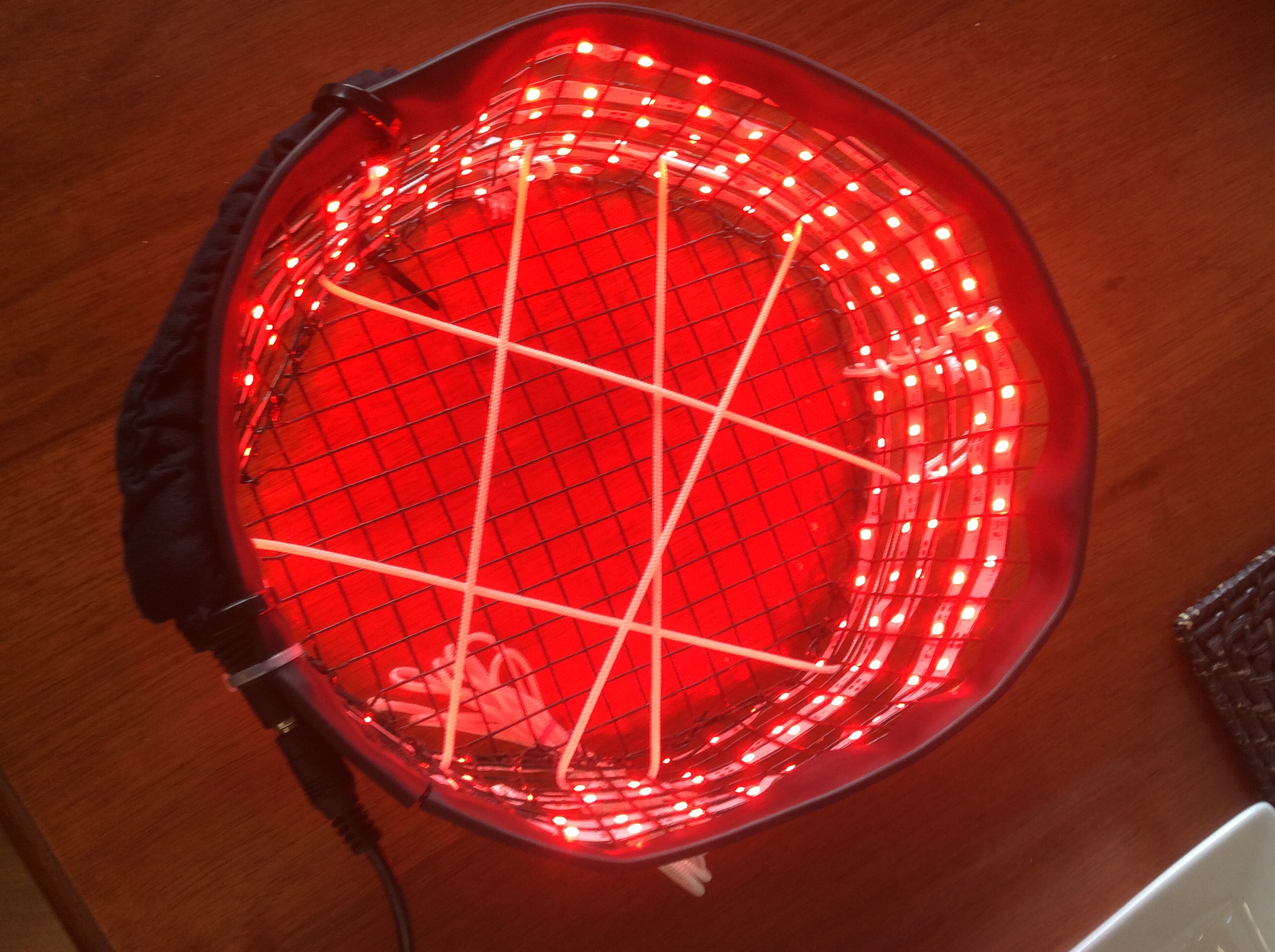
Here’s a photo of a Cossack light device – you can see the LED strip winding around and around the frame.
LED strips should only be used for DIY projects.
You can make your own light hat using LED strips:
- Cossack instructions
- Cossack DIY movie
- Cossack photos
- Why I recommend making a Cossack rather than an Eliza bucket hat.
If you are thinking of buying a light device, make sure that it is made with individual LEDs, not a LED strip.
A device with individual LEDs is more likely to last, it will have better heat management, and it is more likely to be value for money.
As an example, a few weeks ago I made a LED strip device for my back. It uses standard gel-covered LED strip – the sewing is a bit weird but it was functional and felt pretty nice on my back after a day in the garden.
When I first made it, all three LED strips worked very happily. But as of yesterday, one of the LED strips decided to stop working part-way along its length. LED strips do that – they just stop lighting up.

There’s not much I can do about the bung LED strip. I’ll continue to use my home-made device on my back for the moment, but if more of the LED strips decide to conk out, I’ll pull it apart and make another.
The lesson is clear, though.
If you are thinking of buying a commercial light device, avoid those made with LED strips.
Near-infrared LED strips
I’ve had a query about 12V near-infrared LED strip, especially 850nm LED strip.
You can see 850nm, but only just! 850nm is at the very edge of the eye’s ability to see. If you turn on the 850nm LED strip in a dark room, you will see a nice pale red glow. It’s red, but to our eyes it seems pretty dim. That’s good, that means it is working.
Continue reading “Near-infrared LED strips”Case study research – just published
Hot off the press is a peer-reviewed journal article describing the observations of people with Parkinson’s disease using transcranial red and near infrared light hats on a daily basis.
The title of the article is a hoot: The “Buckets”: Early Observations on the Use of Red and Infrared Light Helmets in Parkinson’s Disease Patients.
The authors are: Catherine L. Hamilton, Hala El Khoury, David Hamilton, Frank Nicklason, and John Mitrofanis.
The article is published in: Photobiomodulation, Photomedicine, and Laser Surgery.http://doi.org/10.1089/photob.2019.4663
Here is a link to the abstract, or you can download the full article.
Circuitry
Circuit diagrams for DIY red light hat.
This post comes courtesy of Michael, designer of the Cossack light hat and star of the DIY Cossack movie.
Michael has made available diagrams and information for those who understand these things.
Continue reading “Circuitry” Red lights on the brain