Red and near infrared lights – can they help degenerative neurological diseases?
Author: RedlightsontheBrain
Redlightsonthebrain is written by Catherine Hamilton, a retired doctor to help people to learn about neurogenerative diseases and the practical, safe and scientifically-based things that can help improve life. Part of this is to provide low-cost access to red light devices, hence the DIY instructions on this blog.
This is very late notice, but on 29 April (yes, tomorrow), University of Arizona is hosting a zoom event which will be brilliant. It is about biophotons, those tiny packets of light that our brains use for communication.
The speakers are superb, with neuroanatomist Prof John Mitrofanis in discussion with two physicists, Prof Paul Davies and Prof Sarah Walker.
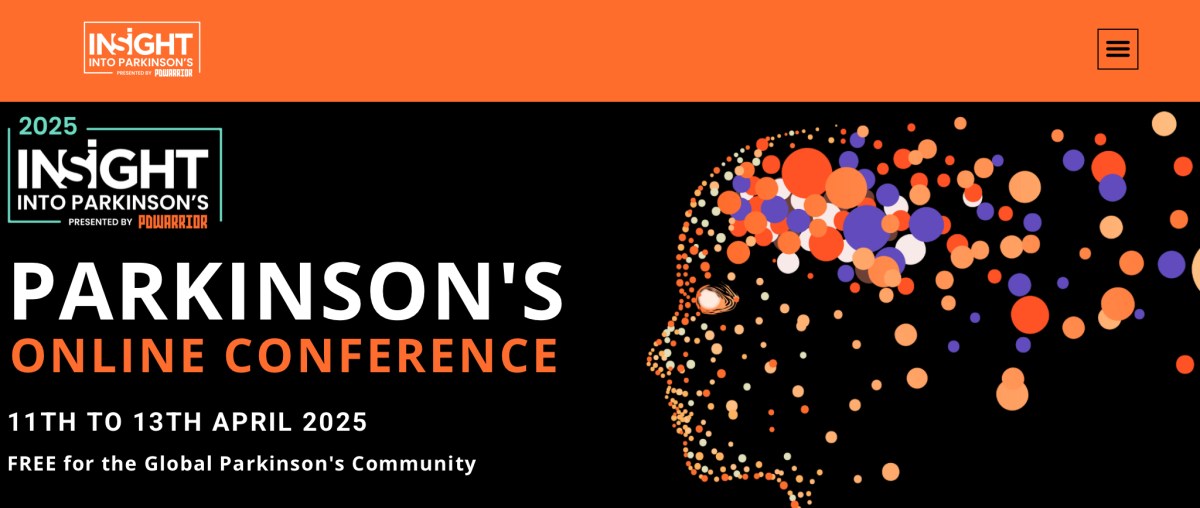
The online conference, Insight into Parkinson’s, has been an annual event for eight years now. It was conceived by the team at PD Warrior, and brings together a range of speakers.
I’m honoured to be on the speaker panel this year, and I’ll be talking about the way transcranial photobiomodulation (red and near infrared lights on the brain) can slow the progression of Parkinson’s disease.
The conference lasts for three days, 11th – 13th April 2025, and the speaker variety is wide and interesting. It is well worth joining in.
A few days ago I wrote a blog post on the Well Red website about people with Parkinson’s disease using the Duo Coronet on a daily basis for five years now, and sharing my delight at how well they are doing. Not long after the post was published, I had an email from a Coronet-owner who confessed to no longer using his lights, because it didn’t give instant results and because it was difficult to sustain motivation.
I thought I would share my response, because it is relevant to anyone wearing any kind of transcranial light device, be it a home-made Cossack or a Duo Coronet.
Think about why you clean your teeth every day.
You clean your teeth every day, not because you expect your smile to be suddenly transformed into full film star glory, but because you want to keep your teeth chomping on apples and chewing your favourite meal until the day you depart this world. You want your teeth to be healthy and in good working order – forever.
It’s the same with your brain. You want that part of your body to maintain the best function possible – forever.
Having red and near infrared lights shining on your head every day keeps your brain in good working order, as the Well Red blog post demonstrates. Daily light use doesn’t turn your brain into a second Einstein, nor does it instantly cure everything, but it protects your brain and slows down any degenerative process that might be lurking in the neuronal undergrowth.
Think about using your transcranial light device with or straight after breakfast, and then with or straight after your evening meal. Linking the device use with an event that is essentially concreted into your daily routine makes it easier to keep it going.
There’s another very good reason to link your light use with meals, as this increases the ability of the mitochondria to respond effectively. Check out this earlier blog post for more about the relationship between lights and food.
So if you have a light device and you’ve stopped using it for whatever reason, then go find it, dust it down, plug it in and bung it on your head right now. And keep doing that every day, preferably twice daily.
Thanks to Alex Padurariu on Unsplash for the wonderful photo of the toothbrush and to Mikael Kristenson for the arresting image of equine dentition.
There has been much work in Australia trying to get politicians to agree to a national plan for Parkinson’s disease.
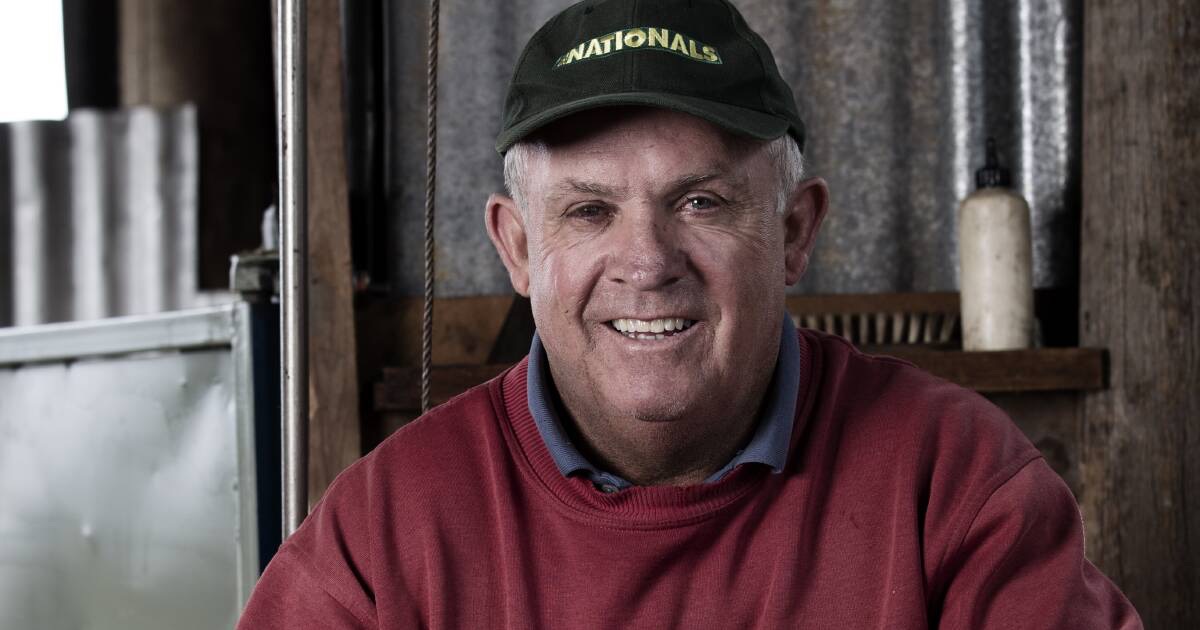
On Australian radio this morning, there was an interview with a retired federal politician with Parkinson’s disease, John “Wacka” Williams and a neurologist.
Wacka was diagnosed in 2016 and I made him a bucket light hat not long after he went public about his diagnosis. Wacka has also met with the expert behind the research into Parkinson’s disease, Prof John Mitrofanis, and he is a beneficiary of Prof Mitrofanis’s superb work.
Wacka continuesto use his light device everyday and as he says during this interview that his disease progression is very slow and that he lives a full and busy life, and he is still on the farm.
The Duo Coronet is based on Prof Mitrofanis’s research and I’ve had consistent reports from Coronet wearers that improvements are made in movement and non-movement symptoms and many tell me that their disease progression has slowed down.
And don’t forget that you can make your own light device, the same type as I made for Wacka eight years ago. Check out the DIY menu for further information.
When Rajeev Chaurasia’s father was diagnosed with Parkinson’s disease, Rajeev put his creativity and DIY skills to use in making a Cossack light hat for him.
Rajeev has devised new ways to style it and make it easier to construct.
This marvellous video – the work of Rajeev, his daughter Renee and his friend Karl Mascarenhas – shows some very clever ideas for making a Cossack light hat at home. Rajeev, Renee and Karl have kindly given permission to the blog to host their video.
Watch this video to see a new Cossack style being made.





 Red lights on the brain