Online conference about Parkinson’s

The online conference, Insight into Parkinson’s, has been an annual event for eight years now. It was conceived by the team at PD Warrior, and brings together a range of speakers.

I’m honoured to be on the speaker panel this year, and I’ll be talking about the way transcranial photobiomodulation (red and near infrared lights on the brain) can slow the progression of Parkinson’s disease.

The conference lasts for three days, 11th – 13th April 2025, and the speaker variety is wide and interesting. It is well worth joining in.

Click here to go to the Insight registration page.

Parkinson’s politics

There has been much work in Australia trying to get politicians to agree to a national plan for Parkinson’s disease.

On Australian radio this morning, there was an interview with a retired federal politician with Parkinson’s disease, John “Wacka” Williams and a neurologist.

Wacka was diagnosed in 2016 and I made him a bucket light hat not long after he went public about his diagnosis. Wacka has also met with the expert behind the research into Parkinson’s disease, Prof John Mitrofanis, and he is a beneficiary of Prof Mitrofanis’s superb work.

Wacka continues to use his light device every day and as he says during this interview that his disease progression is very slow and that he lives a full and busy life, and he is still on the farm.

Here’s a link to the interview. It lasts 12 minutes.

The Duo Coronet is based on Prof Mitrofanis’s research and I’ve had consistent reports from Coronet wearers that improvements are made in movement and non-movement symptoms and many tell me that their disease progression has slowed down.

And don’t forget that you can make your own light device, the same type as I made for Wacka eight years ago. Check out the DIY menu for further information.

“The wrinkling of time”

Isn’t that a fabulous phrase?

It comes from a 2020 journal article called The wrinkling of time: Ageing, inflammation, oxidative stress, and the circadian clock in neurodegeneration.

The article discusses the impact of ageing on the circadian rhythm. Having a healthy circadian rhythm ensures that our body functions properly over the 24 hour daily cycle. If the circadian rhythm goes awry, then the mind and body also are metaphorically wobbly. Sleep is badly affected, the immune system goes haywire leading to increased inflammation in the body and brain. Life is made more difficult and the risk of dementia increases.

Continue reading ““The wrinkling of time””

Red light’s many ways of working

Don’t discount the indirect effect of red and near infrared light.

I’ve had a number of queries lately about the importance of penetration of red and near infrared light into the brain. The questions stem from an assumption that red and near lights will only be effective if they act directly onto the cell. This assumption isn’t correct. Red light doesn’t rely on just one method to be effective.

Continue reading “Red light’s many ways of working”

Wavelengths matter

A recent article compared the action of visible red 660nm with near-infrared 980nm.

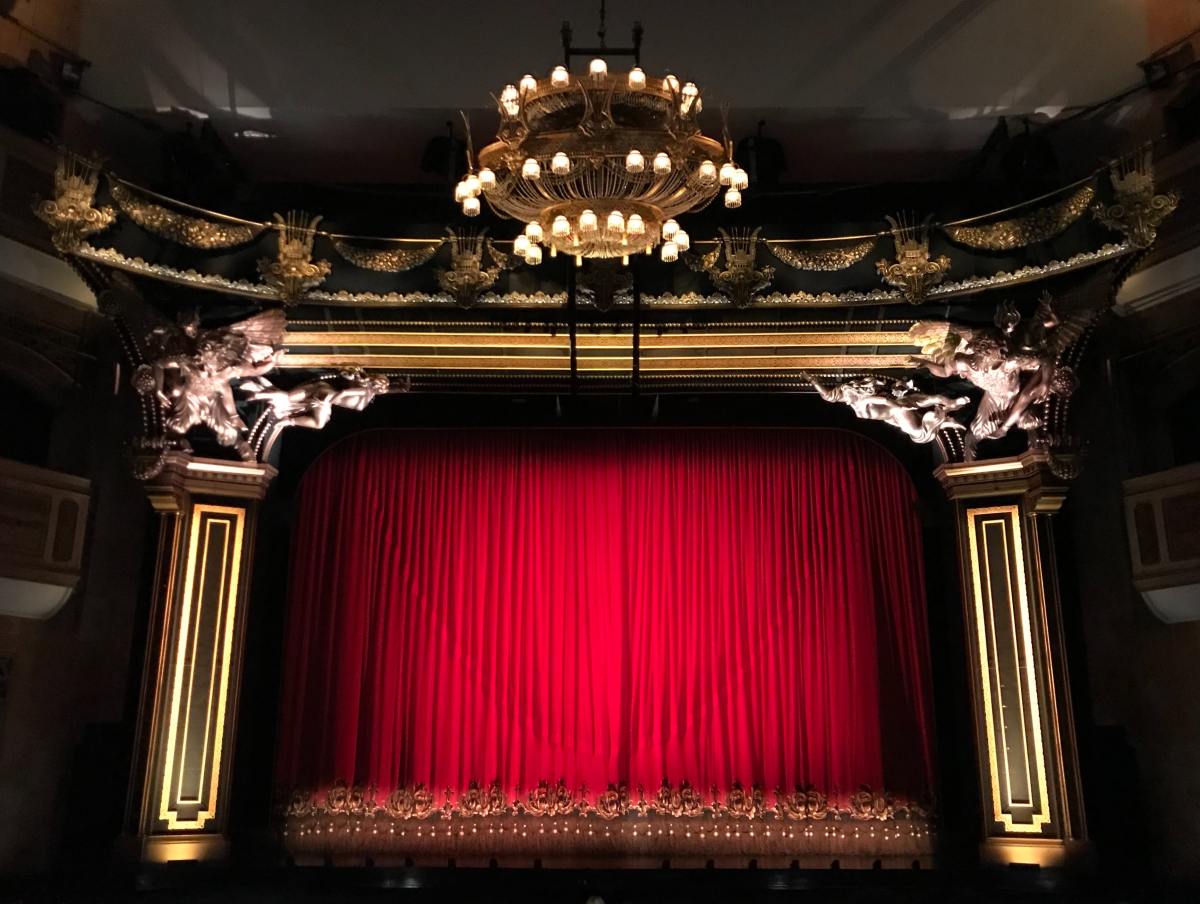
The 660nm wavelength is a very lovely and rich shade of red, very much like the red velvet in Gwen’s photo of theatre curtains. In contrast, the wavelength 980nm is way out of the visible range and our eyes cannot see it at all.

This study showed that both wavelengths stimulated the cells into action through the mitochondria, the powerhouses inside cells. When the 980nm wavelength was used, it quickly stimulated the cell, but the effect died away pretty quickly.

In contrast, the visible red 660nm was slower to get going, but the effect lasted for at least 24 hours.

What does this finding mean?

Remember that mitochondria are like batteries, powering the cell to keep it healthy and active. The longer the mitochondrial batteries remain powered up, the longer the cell will function and – very importantly – the longer it will live.

Visible red 660nm, a rich colour to our eyes, is also a rich source of energy for our cells, and the energy that this wavelength generates will last for well over a day.

There has been interest in the use of longer wavelengths (900-1100nm) for light hats. This research article strongly suggests that it would be better to stick to visible red wavelengths.

Reference:

Fuchs, Christiane, Merle Sophie Schenk, Linh Pham, Lian Cui, Richard Rox Anderson, and Joshua Tam. “Photobiomodulation Response From 660 Nm Is Different and More Durable Than That From 980 Nm.” Lasers in Surgery and Medicine 53, no. 9 (November 1, 2021): 1279–93.

Thanks to Gwen King on Unsplash for the lovely image.